Behind the consortium stands a team of researchers and specialists who operate within a range of fields relevant to archaeological research. These include traditional archaeology, GIS, osteology, paleoecology, laboratory archaeology, and a series of fields and approaches in the natural sciences, such as aDNA, lipids, isotopes, radiocarbon dating, and spectroscopy, as well as cutting-edge digital documentation methods like LiDAR, drone and laser scanning, photogrammetry, and 3D modelling.
The Operative Board

Karl-Johan Lindholm
Professor, Director, Chair of the Operative Board
Dept. of Archaeology and Ancient History at Uppsala University. Karl-Johan’s main research interest is to bridge the socio-environmental interface by interdisciplinary research and long-term understandings of landscapes and land-use in agriculturally marginal regions in southern and eastern Africa and Europe. He applies critical historical analysis to contextualise current landscape policy, emphasising the sustainable management of biocultural heritage and natural resources. An additional interest is the combination of archaeology, rural development and landscape studies aiming for a better understanding of past and present forms of collective action and cooperative natural resource management. He participates in multiple research clusters and is deeply involved in advancing research infrastructures.
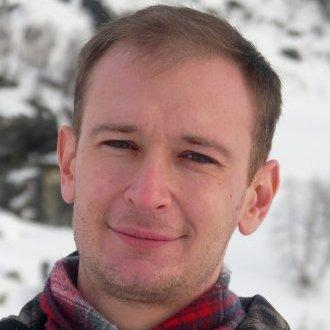
Daniel Löwenborg
Docent Associate professor, Module leader, Vice Chair of the Operative Board
Department of Archaeology and Ancient History, Uppsala University. Leader of Module 3: Archaeological Excavation and Geodata. Researcher in archaeology, specifically landscape archaeology and GIS, focusing on Iron Age social development in central Sweden. Daniel is interested in methodology and theory regarding the use of geographical information technology in combination with access to large amounts of digital archaeological data and the use of quantitative methods in archaeology.
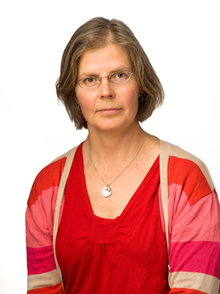
Eva Svensson
Professor, Module leader, Member of the Operative Board
Department of Political, Historical, Religious, Cultural Studies Karlstad University. Leader of Module 6: Impact by capacity building, added societal value and user support. Eva’s research interests include: Social, ecological and interdisciplinary approaches to forested landscapes in a long-term perspective, with focus on Viking Age, Medieval Times and Early Modern times. She is also engaged in subaltern environment- and lifescapes in the 18th -20th centuries. 18th – 20th centuries and heritage, citizenship and community participation as part of building sustainable system innovations in forested, sparsely populated areas.
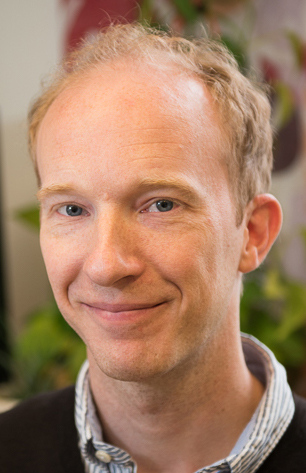
Magnus Lundgren
Docent Associate Professor, Member of the Operative Board
Director of the SciLifeLab Ancient DNA facility, Uppsala University. The Ancient DNA facility provide analysis of ancient DNA as a service to researchers in Sweden and other countries. DNA constitute the basis of many of our traits, and ancient DNA can give us further understanding of the past. Such knowledge allows to better understand our societies, their development and the people who lived in the past, but it can also tell us how evolution and ecology have changed over time.
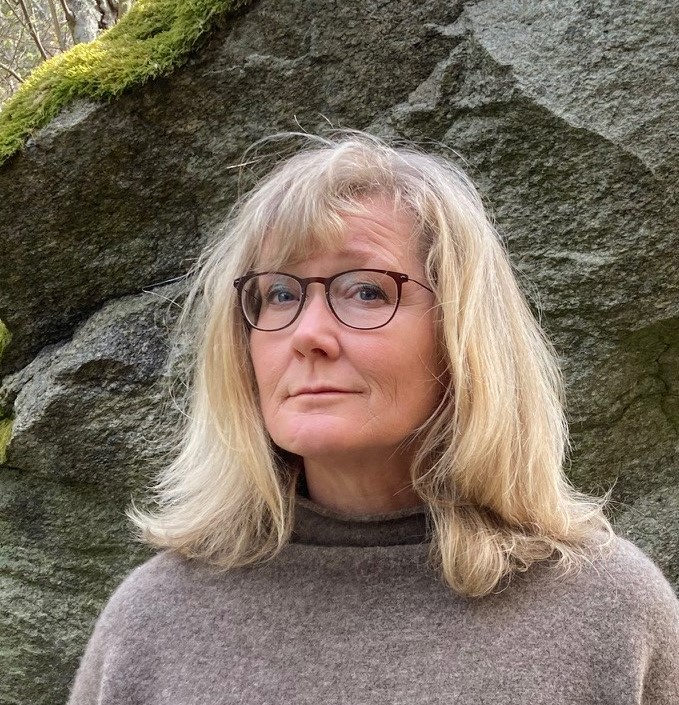
Helena Hulth
Coordinator of Swedigarch, Secretary of the Operative Board
Department of Archaeology and Ancient History, Uppsala University. Helena holds an MA in archaeology from Uppsala University and a Business Certificate from FEI (Business Economics Institute). She has a solid background in contract archaeology as a project leader, specialised in Late Iron Age. With experience also from the County Board, the museums and the private sector – including publishing, venture capital, and mediation via cutting-edge visualisation techniques; she is an all-rounder.
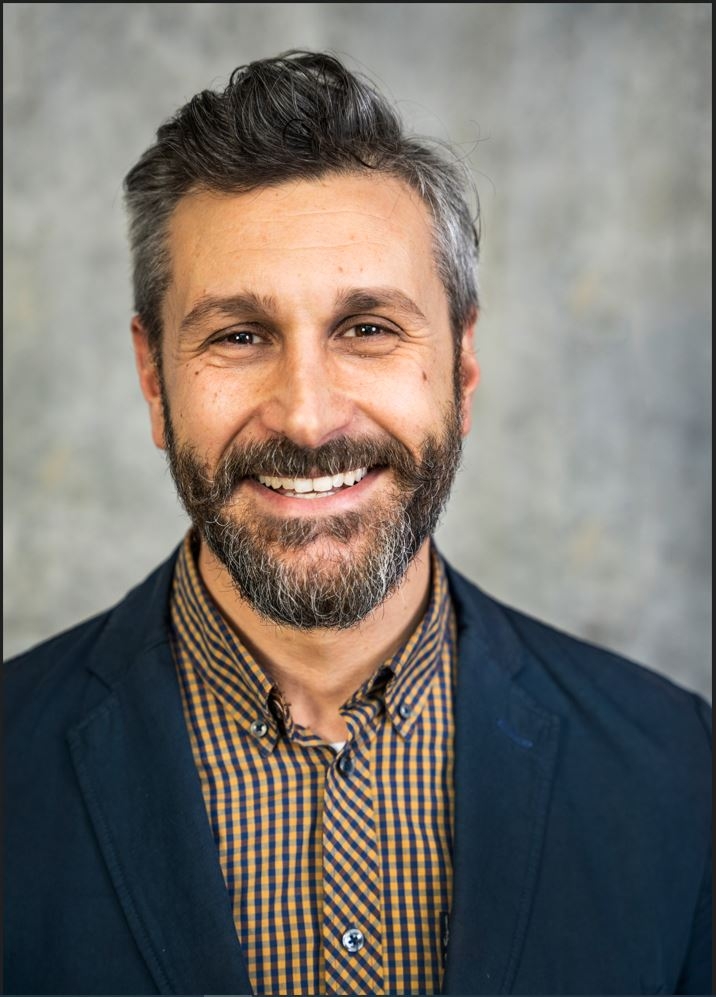
Nicolò Dell’Unto
Professor of Digital Archaeology, Module leader, Member of the Operative Board
Department of Archaeology and Ancient History Lund University. Leader of Module 5: Cutting Edge and Future Data. Specialised in spatial technology and 3D visualisation, Nicolò has developed projects in several countries where he has carried out experiments aimed at identifying research methodologies based on digital practice. After completing his PhD, he conducted research in the United States and Switzerland, further broadening his international perspective. He currently coordinates the activities of Lund University’s Digital Archaeology Laboratory (DARKLab), a national infrastructure focused on digital archaeology and 3D visualisation, and is currently coordinating the activities of Module 5.

Kerstin Lidén
Professor, Member of the Operative Board
Director Archaeological Research Laboratory, Stockholm University. Kerstin Lidén obtained her PhD in 1995 from Stockholm University. Since 2004, she has been the head of the Archaeological Research Laboratory and holds the position of professor of archaeology with specialisation in laboratory analysis. Kerstin’s research is focused on laboratory analysis, primarily bone chemistry. She has worked with materials from Öland, Gotland and the Mälaren Valley, with a general focus on diet analysis, dietary patterns and kinship. Kerstin is a member of the Royal Swedish Academy of Sciences, elected in the humanities class.
Elin Fornander
PhD, Member of the Operative Board
Manager of Research and Development, National Historical Museums. Elin is head of Research and development and has a background in Archaeological science, contract archaeology and museum collections management. Her part in Swedigarch is to coordinate the work of making the Historical Museums digital archeological collections FAIR and linked.
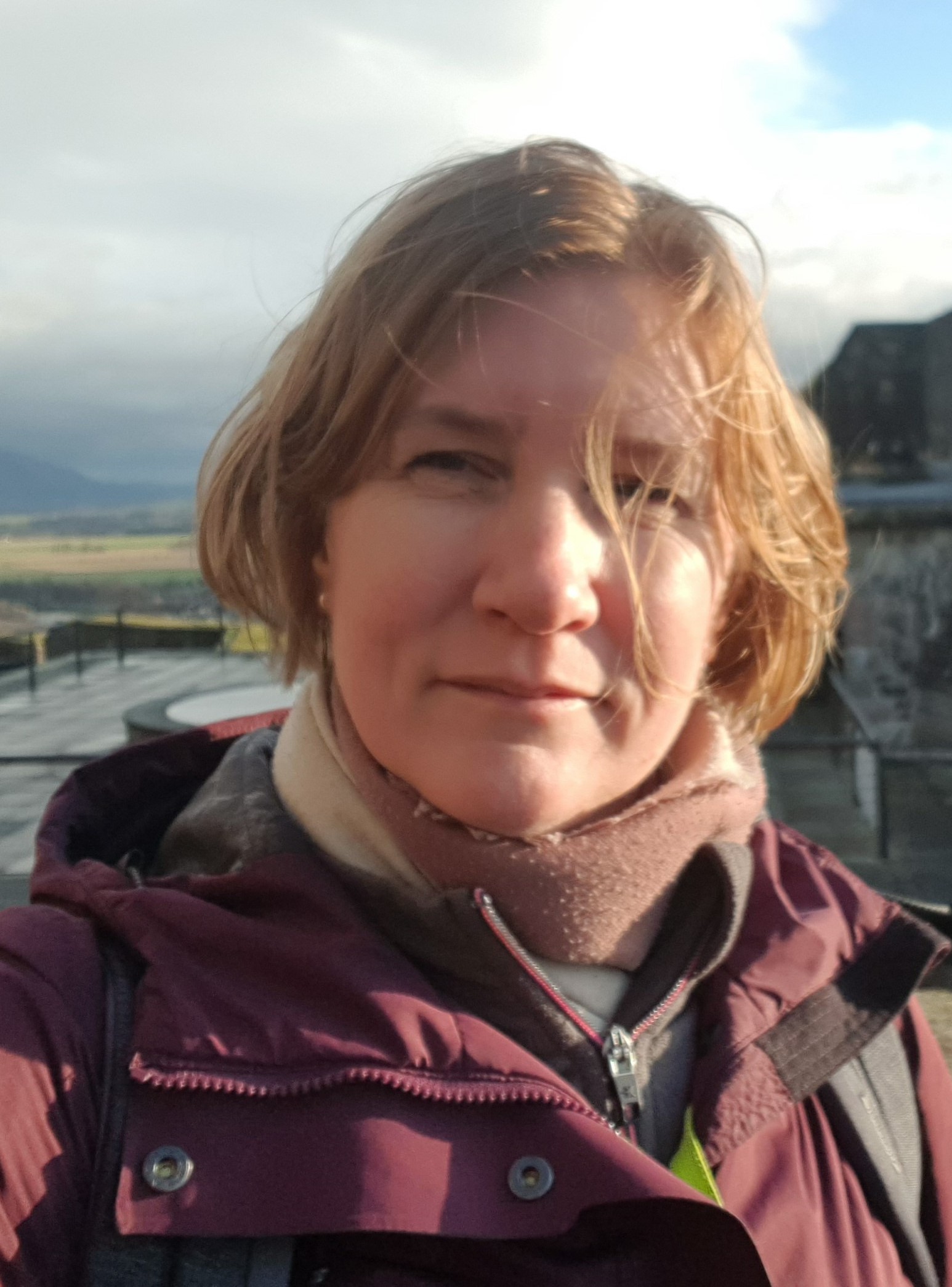
Åsa M Larsson
PhD, Module leader, Member of the Operative Board
Head of Unit for Technology and Digital Mediation, National Heritage Board. Leader of Module 2: Data Mobilization Beyond the FAIR Principles. Åsa began as a field archaeologist and osteologist before doing her PhD on Neolithic pottery and mortuary practices. She worked as Managing Director of a company for contract archaeology before joining the National Heritage Board to help develop a digital archaeological process to ensure a digital flow of information from contract archaeology to the public. Has continued to work with digtial accessibility for research and development. Åsa consider the implementation of FAIR principles and linked semantic data as the most important factors for the development of the scientific revolution in archaeological research.
Philip Buckland
Professor of Environmental Archaeology, Module leader, Member of the Operative Board
Vice Dean of Arts and Humanities, Umeå University. Leader of Module 4: Archaeological Science and Research Data. Philip runs the Strategic Environmental Archaeology Database (SEAD). From 2022, SEAD is part of Swedigarch. Phil’s research is focusing on using biological proxies, like fossil insects, to reconstruct past environmental and climate changes, particularly in the context of historical human activities. Additionally. Phil is interested in using palaeoentomology to study past biodiversity and its relevance to contemporary conservation policies and activities.
Ershad Gholamrezaie
PhD, Module coordinator, Member of the Operative Board
Staff Scientist, Umeå University. Coordinator of Module 4: Archaeological Science and Research Data.
Ershad has a diverse research background, holding a PhD in Geology (Basin Modelling), together with degrees in Mining and Mineral Exploration Engineering and Physics–Geophysics, followed by a postdoctoral fellowship in Informatics and Information Systems on the value of AI in society and enterprise. He has expertise and experience in data-driven and numerical 2D/3D modelling and visualisation, data science and data management, as well as project management and coordination. In addition to coordinating Module 4, he works as a Data Scientist and Project Manager for the Strategic Environmental Archaeology Database (SEAD)—one of the Swedigarch resources. His work advances rigorous data management and database design, data quality control, and ML/DL methods to strengthen data-driven modelling and illuminate long-term human–environment interactions.
Christian Isendahl
Professor, Member of the Operative Board
Department of Historical Studies, University of Gothenburg. After completing the PhD degree at Uppsala University in 2002, Christian Isendahl has hold positions at the Human Ecology Division, Lund University, and the Department of Archaeology and Ancient History, Uppsala University, before taking up a position as lecturer at the University of Gothenburg in 2013. He has extensive fieldwork experience in Latin America, and his research uses historical ecology to explore how archaeology can offer practical insights on contemporary challenges, including long-term sustainability, resilience, and the organisation of past urban, agricultural, water, and socio-political systems. Se also:
The Steering Group
Anders Högberg
Professor, Chair of the Steering Group
Anders Högberg is Professor of Archaeology at Linnaeus University, Sweden and associate research fellow at the University of Johannesburg, South Africa. His research interest is broad and ranges from research on human cognitive evolution, to heritage futures studies on memory practices at nuclear waste disposal sites. In 2017–2022, he worked in an advisory group for the Council for Research Infrastructures (RFI) at the Swedish Research Council. He has been a member of the Advisory Board of the Swedish National Historical Museums, and is currently member of the Research Advisory Group for the Swedish National Heritage Board.
Sara Cousins
Professor, Member of the Steering Group
Sara Cousins is a Professor of Physical Geography and an Associate Professor (Docent) in Plant Ecology. Her research combines plant community ecology and landscape history to explore the effects of fragmentation and land-use change on plant dispersal, community composition, and biodiversity. She is particularly interested in how people, livestock, and physical constraints have shaped plant communities over time. Her current research challenges include investigating how climate change and extreme weather events will affect biodiversity in fragmented habitats.
Jessica Parland von Essen
Docent, Member of the Steering Group
Jessica Parland-von Essen is Docent of History from the University of Helsinki and Program Manager at the Finnish IT Center for Science, CSC. She has worked for many years with research data management and digital transformation in research, including in the EOSC projects FAIRsFAIR and FAIR-IMPACT.
Nina Karlsson
PhD, Member of the Steering Group
Head of section for environment at the Swedish Transport Administration. Nina is engaged in planning and building transport infrastructure with special focus om cultural heritage and other environmental issues. She has a PhD in archaeology with focus on environmental archaeology and a long experience of contract archaeology and other cultural heritage issues from the County Administrative Board.
Roger Edenmo
PhD, Member of the Steering Group
Roger Edenmo is County Antiquarian and Head of Unit at the County Administrative Board of Uppsala. He holds a PhD in archaeology with a focus on the Late Neolithic Battle Axe Culture. With extensive experience as a cultural heritage advisor, field archaeologist, and researcher, Edenmo combines academic insight with hands-on expertise in heritage management.
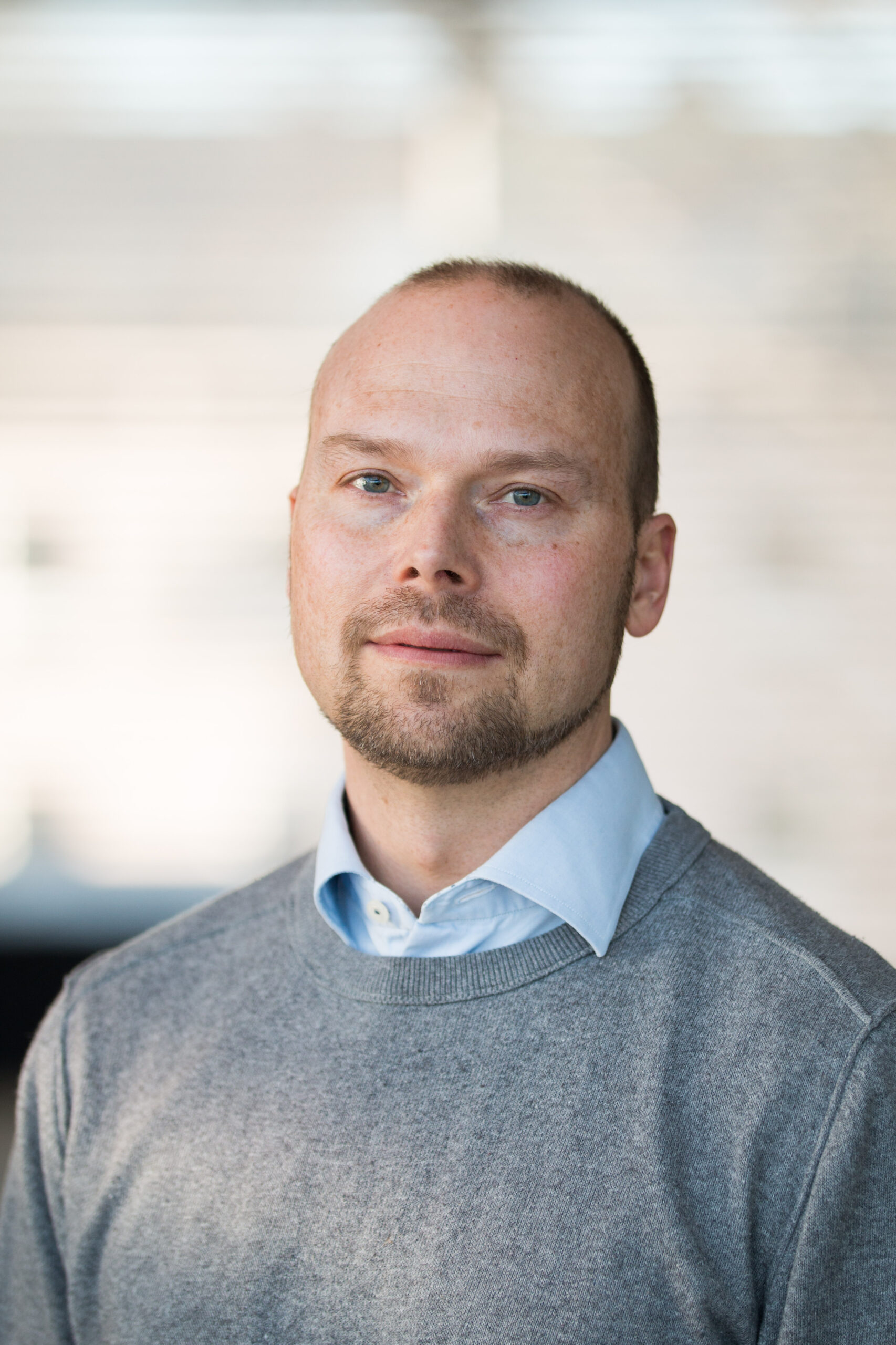
Mattias Jakobsson
Professor, Member of the Steering Group
Mattias Jakobsson is a professor of Genetics and the head of the Human Evolution research program at Uppsala University. Jakobsson’s research spans from population genetics, human evolution, and human history. His lab uses computational approaches for deciphering complex patterns of large-scale human genomic variation from both modern-day and ancient humans in order to understand human evolutionary history. The lab focuses on interrogating long-standing questions in human evolution, including the colonization and migration in Eurasia, Africa and southeast Asia, including pioneering studies that resolved the enigma of the Neolithic expansion in Europe (Science 2012) and doubled the age of modern humans (Science 2017).
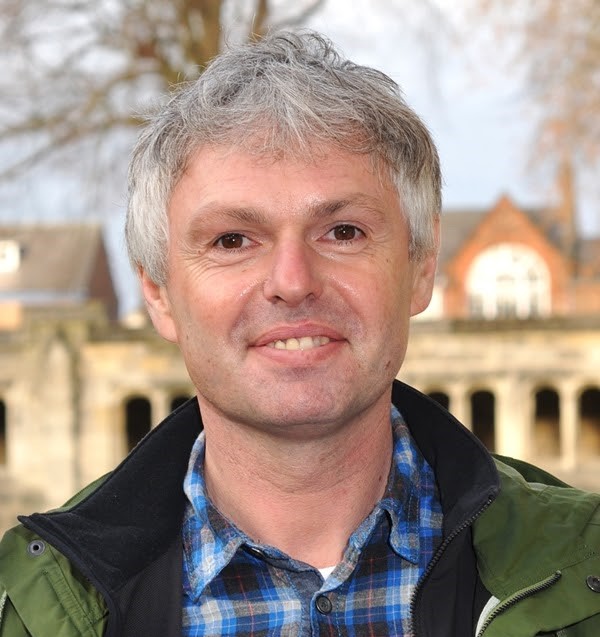
Peter Jordan
Professor, Member of the Steering Group
Peter Jordan is a professor of Archaeology at Lund University. His research interests focus primarily on understanding prehistoric transformations and Neolithization processes across Northern Eurasia, including Fennoscandia, Siberia, the Russian Far East and Japan. From 2021 he also holds a Professorship at Hokkaido University (Global Station for Indigenous Studies and Cultural Diversity at GI-CoRE). Prior to coming to Lund University, he was Director of the interdisciplinary Arctic Centre at the University of Groningen (2013-21).
The Developers and Experts
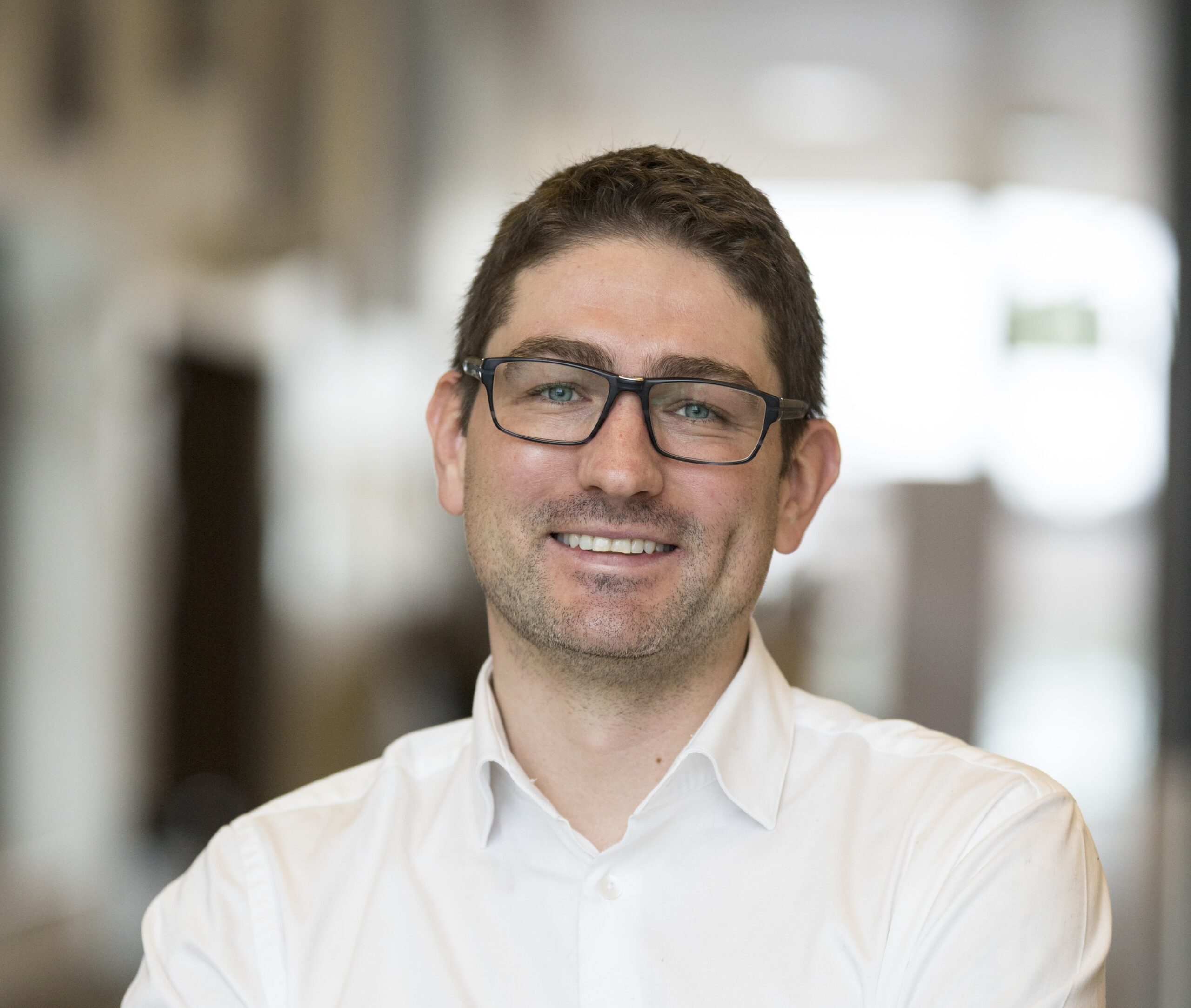
Jan Haas
Senior Lecturer in Geomatics, Karlstad University
Jan’s research primarily focuses on developing methods within GIS and remote sensing frameworks. His work emphasises sustainability and climate adaptation and mitigation, with the overarching goal of enhancing the well-being of humans and other living organisms by advancing technical solutions and contributing to the scientific knowledge base.
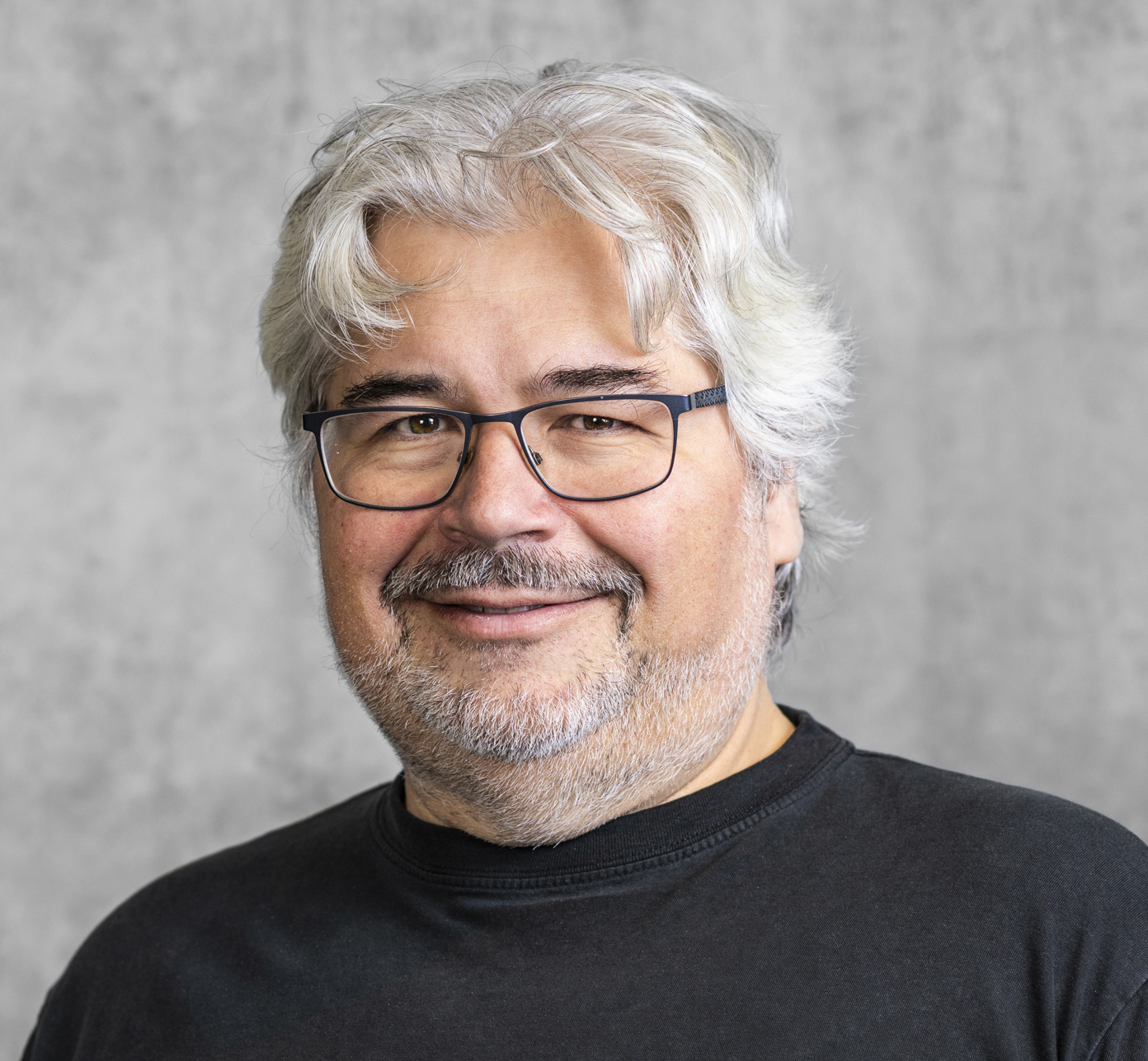
Stefan Lindgren
Research Engineer at Lund University Humanities lab, Lund University
Stefan has a background in computer technology with a special interest in 3d-data and 3d-visualisations. As a research engineer he has been involved in a large number of archaeological projects helping out with 3d-documenation all over the world. His expertise includes 3d-scanning, photogrammetry and 3d-visualisations, which will be used i Swedigarch to develop tutorials and guidelines.
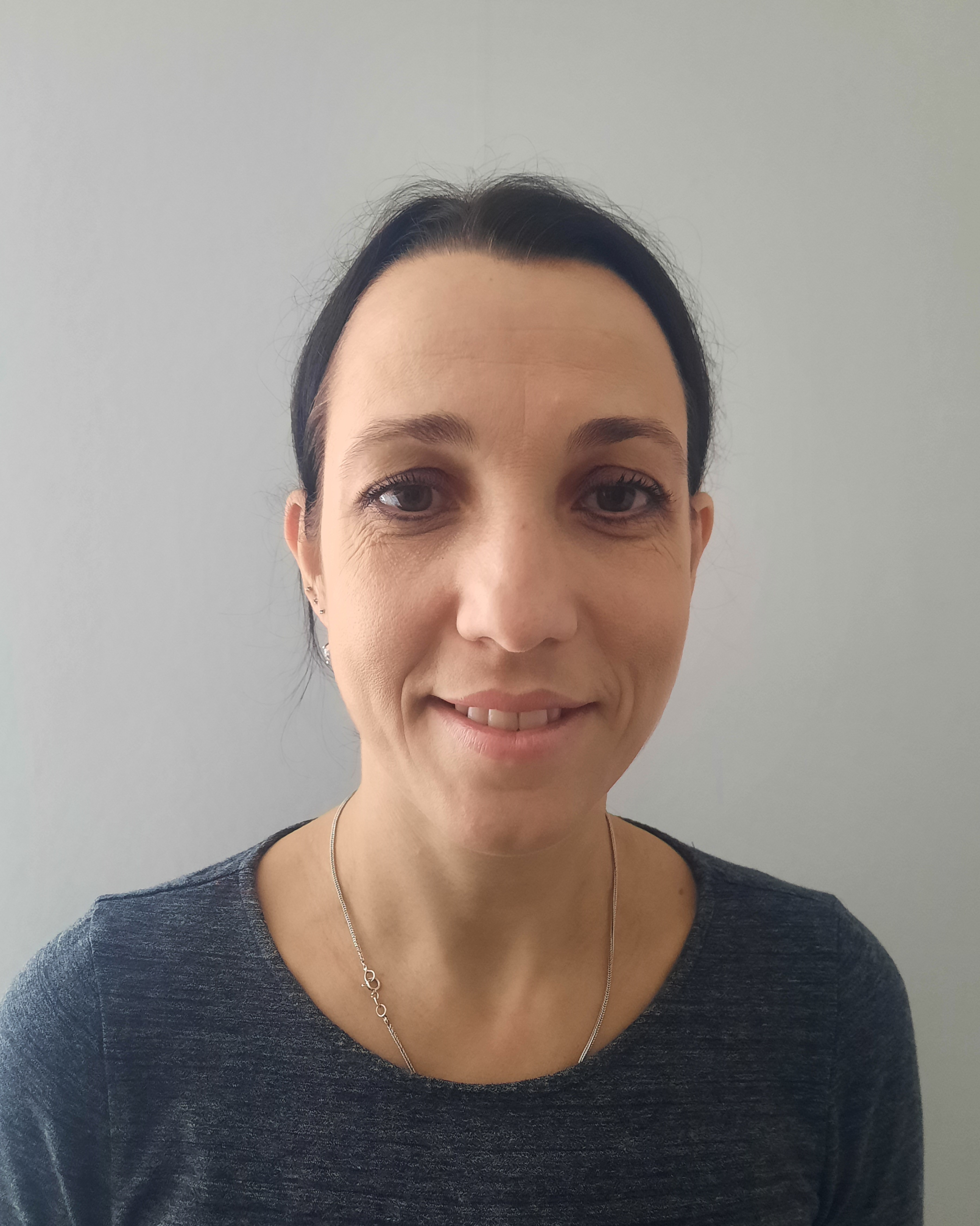
Ivanka Hristova, PhD
Director of the Environmental Archaeology Lab, Umeå University
The Environmental Archaeology Lab (MAL) is a research, development, consultancy and education infrastructure in Environmental archaeology, where we apply a multiproxy approach in the interpretation of our data. Ivanka’s background is in Archaeology and Environmental Archaeology with solid experience in contract archaeology. Her research is focused on the investigation of human–plants interactions in the past: reconstructing palaeodiet, plant economy, food processing, agricultural practices, and land use. Her further interest is studying the human impact on the environment, use of woodland resources, vegetation history and its development through time.
Federica Sulas
Senior Lecturer in Archaeology, the Department of Historical Studies, University of Gothenburg
Federica is an archaeologist with expertise in geoarchaeology and landscape historical ecology, her main research interests are in land and water management practices, and agro-urban landscapes. Her field research focuses primarily on sub-Saharan African landscapes, and some projects in Mediterranean and Nordic regions.
Carolina Larsson
Systems Developer at Lund University Humanities lab, Lund University
Carolina is an expert in 3d-modelling and has a solid experience in working with and manipulating 3d-data from any kind of 3d-acquisition. She has been involved in a number of archaeological projects, handling and developing workflows for large 3d-datasets. In Swedigarch she is part of the team that writes tutorials and guidelines in module M5.
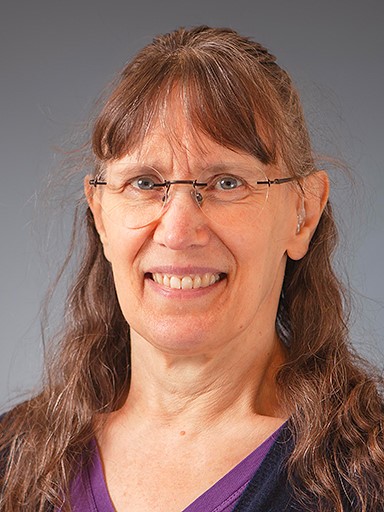
Riia Chmielowski
Project Assistant/Data Steward for SEAD, Archaeology Section, Umeå University
Riia has a diverse research background in geology, archaeology, and geochemical provenancing of stone artefacts and has even worked in research support helping researchers with their Data Management Plans. They now work full time with Swedigarch and SEAD, undertaking data mapping and other tasks needed to enable researchers to share their data in SEAD.
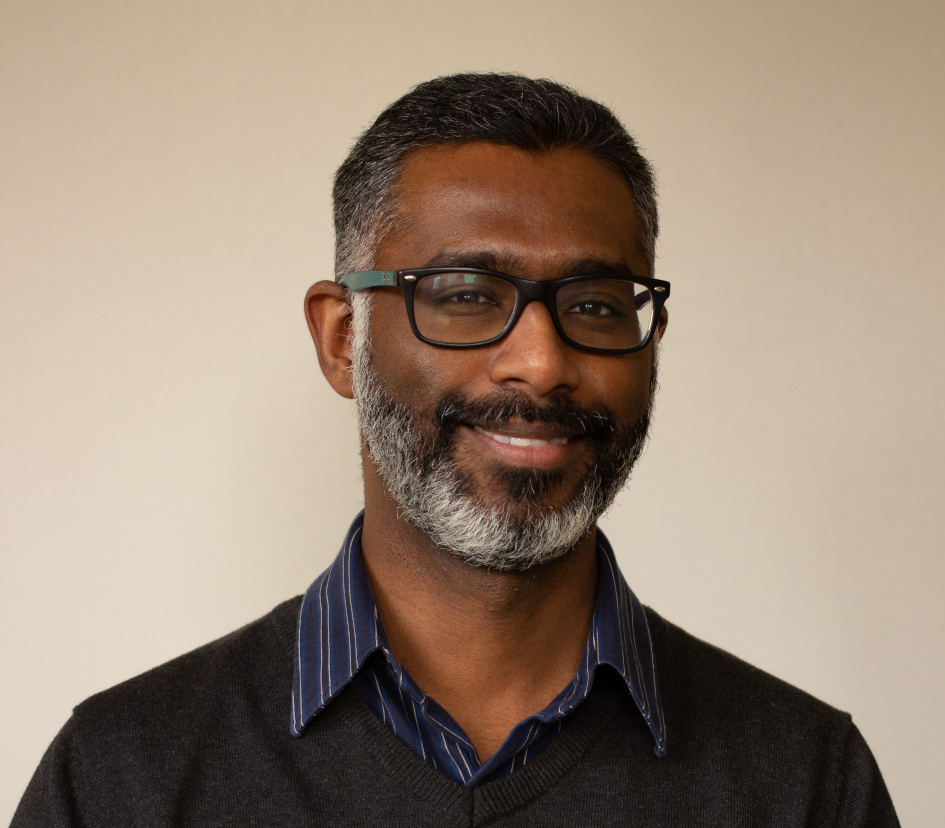
Thijessen Naidoo
PhD, Bioinformatician, Department of Organismal Biology, Human Evolution, Uppsala University, and member of the SciLifeLab Ancient DNA Unit.
T
Fredrik Gunnarsson, PhD
Project Manager for the Development of K-samsök, Swedish National Heritage Board.
Fredrik leads the redevelopment and further development of K-samsök – a national infrastructure for digital cultural heritage that enables the application of linked open data. K-samsök also serves as a central component of the Swedigarch infrastructure.
Fredrik is an archaeologist and earned his doctorate at Linnaeus University. His dissertation, The Digital Mission, explored how archaeological knowledge can be made relevant in a digital society.
Julie Melin
Collections Systems Manager
Julie is a Collections Systems Manager at the National Historical Museums, working within the Department of Collections and Research and the Archaeological Collections Unit. Within Swedigarch, she leads and coordinates backend development to align the museum’s collection systems with Swedigarch’s infrastructure. She is an archaeologist with over 20 years of experience in collection systems, registration and documentation, standards, public access to information, and collaboration with cultural heritage information aggregators.